



Why is Gut Health Important?
Gut Health is one of the most talked-about topics now, but why? Nourishing out Gut provides numerous health benefits in addition to just supporting our digestion and bowels. For instance, a healthy Gut helps to support a healthy immune system functioning, helps to break down and absorb nutrients, assists us in managing weight and blood sugar, lowers systematic inflammation in the body and cholesterol levels, regulates hormones, and influences our stress levels, sleep, and energy.
10 Gut Health Tips
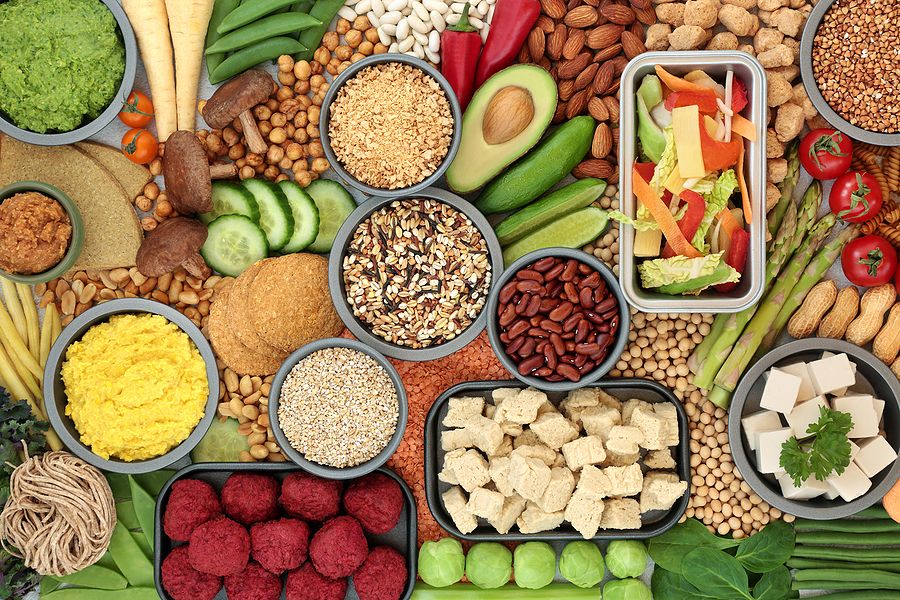
1. Aim for 30 plant foods a week, such as whole grains, legumes/lentils, fruit, vegetables, and nuts and seeds. This provides a wider range of vitamins, minerals, and fiber, which helps to support a healthy gut microbiome and immune system.
⦁ Food Variety is key (“Eat the Rainbow”)
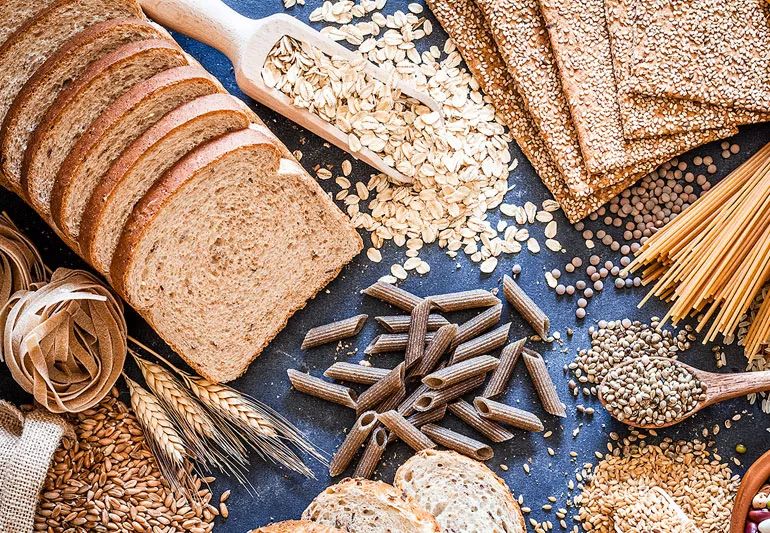
2. Make a simple swap to whole grains (higher in fibre) instead of refined carbohydrates such as white bread and rice. Choose:
⦁ Wholegrain bread and wraps over white
⦁ Whole grain and higher fibre cereals such as Weetabix and All-Bran
⦁ Brown rice
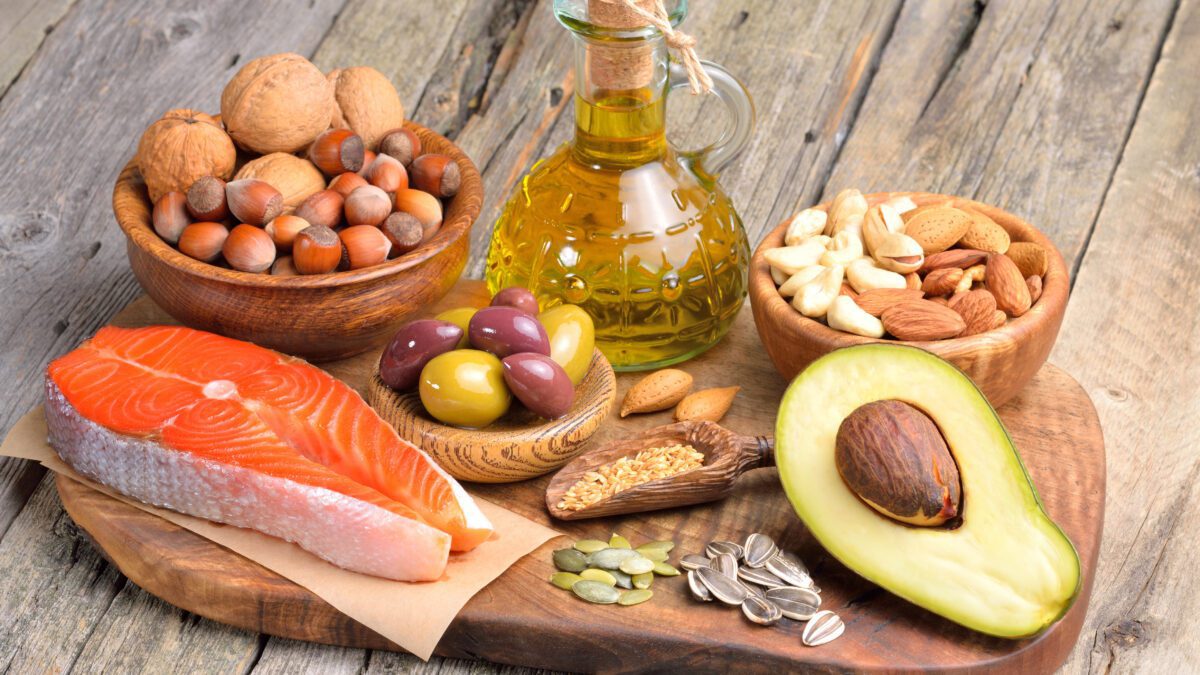
3. Incorporate healthy fats in your diet. This includes monounsaturated fats (e.g. avocado, extra virgin olive oil, almonds, and peanuts) and polyunsaturated fats (e.g. salmon, walnuts, sunflower oil, and chia/flaxseeds). Our healthy fats help to support our heart and brain health and lower our bad cholesterol levels in the body, known as “LDL” cholesterol.
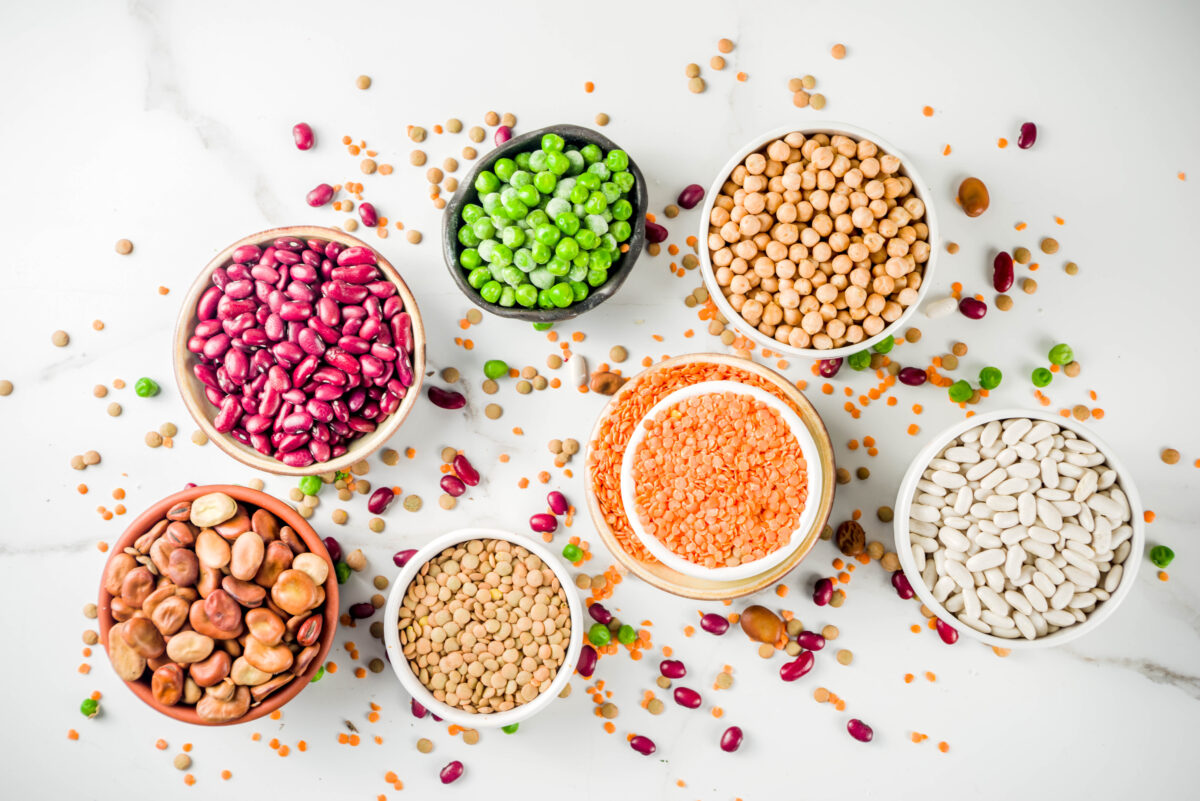
4. Try adding legumes and lentils to your meals, such as kidney beans and chickpeas, for extra fiber. To minimise symptoms such as bloating and gas, make sure to rinse well and increase intake gradually.
⦁ Legumes and lentils are both rich plant sources of protein and fibre.
⦁ They can be added to soups, stews, tacos, salads, curries, slow cooker meals, and bolognese sauce
5. Make some healthy snack swaps. For example:
⦁ Handful of nuts (~30g)
⦁ Fruit (Have at least 2 pieces of fruit daily per recommended guidelines)
⦁ Yoghurt
⦁ Hummus dip with carrot sticks or crackers, e.g. Vita Wheat (higher in fibre)
⦁ Roasted Chickpeas or Edamame
6. Regular movement. Being physically active provides various health benefits, such as boosting beneficial bacteria in the Gut, improving gut motility (helps food move along the GI tract, preventing constipation), and reducing overall stress levels. A link here to the physical activity guidelines: https://www.health.gov.au/topics/physical-activity/24-hour-movement-guidelines-for-all-australians?language=en
7. Probiotics also help to support our gut health and digestion and boost immune system functioning. Probiotics are live microorganisms in certain foods that, when administered in adequate amounts, provide a health benefit. Key Examples: probiotic yoghurt (e.g. Activia), kefir, sauerkraut, miso, tempeh, and kimchi.
8. Polyphenol-rich foods (natural antioxidants) act as prebiotics, which can help to feed beneficial bacteria in the Gut. Polyphenols also contain anti-inflammatory and antioxidant properties, providing numerous health benefits such as reducing the chance of having chronic illnesses and specific malignancies. Key food sources include raspberries, blueberries, dark chocolate (70%+ cocoa), tea, coffee, and extra virgin olive oil.

9. Try to manage your stress levels. For example, doing regular physical activity, eating a healthy and balanced diet, practicing mindfulness, having at least 7-9 hours of sleep per guidelines, and doing activities you enjoy. This is important as being stressed can impact our gut (known as the “gut-brain axis”), which is the bi-directional connection between our Gut and brain. This can trigger inflammation in the body, alter gut microbiota, and impact gut motility and digestion.
10. Gradually increase your fibre intake over several weeks instead of a couple of days to give your digestive system time to adapt. This helps to prevent gut symptoms such as abdominal pain, bloating, gas, and cramps. When increasing your fibre intake in the diet, ensure you drink at least 8-10 glasses of water to prevent symptoms like constipation.

A bit more about Fibre and Gut Health!
What is Fibre?
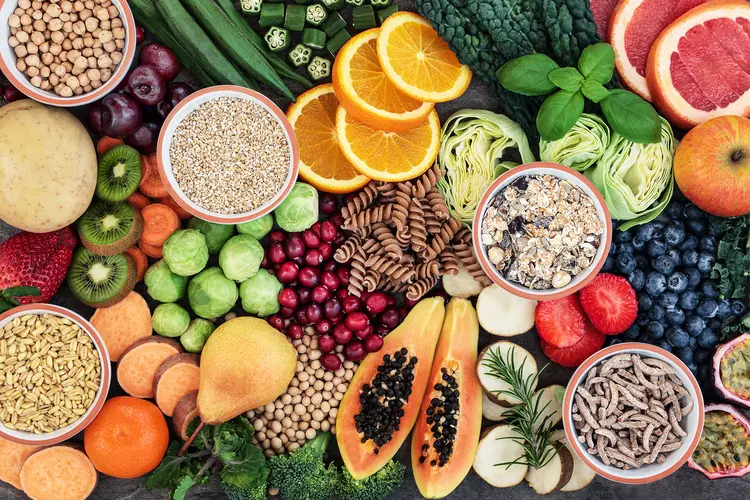
Fibre is a type of carbohydrate that the body cannot digest, instead, it passes through the digestive system. Here it provides numerous health benefits such as supporting our gut health and digestion, keeping a healthy gut microbiome, improving immune system functioning, helps to control weight through increasing fullness (known as satiety), lowers LDL (bad) cholesterol, and manages blood sugar levels in the body. Fibre is found in a wide range of plant-based foods such as vegetables, fruits, whole grains, and legumes.
Types of Fibre
Soluble fibre: Dissolves in water, forming a gel (viscous) like substance in our digestive tract. This fibre specifically supports heart health by helping to lower our blood sugar and cholesterol levels in the body. This is through binding to cholesterol in the Gut, helping to prevent absorption. Key food sources: oats, barley, legumes and lentils, psyllium husk, and fruit flesh.
Insoluble fibre: Does not dissolve in water or form a gel (non-viscous). This fibre helps to add bulk to stool, promoting regular bowel habits and preventing constipation. Key food sources: whole grains such as whole grain breads/cereal, nuts/seeds, and the skin of fruits and vegetables.
Resistant Starch: This type of carbohydrate escapes (resists) digestion and absorption in the small intestine and ferments in the large intestine. This fibre acts as a prebiotic by feeding the good (beneficial) bacteria in the gut. Key food sources: cooked and cooled pasta, rice, or potato; unripe (green) bananas, whole grains, and lentils.
How much fibre is recommended?
The Australian Dietary Guidelines recommends 25g of fibre daily for females and 30g of fibre daily for men.
Label reading tip: When buying products, aim for more than 5g of fibre per 100g.
Nourishing your gut health does not need to be complex but can start with small, simple changes to your current diet and lifestyle.
At Fuel Your Health, we provide tailored dietary and lifestyle strategies to support a healthy gut and help you to manage gastrointestinal symptoms that may be causing a significant impact on your daily life. We also assist with various gastrointestinal issues and conditions.
Author: Karina Saleh (Accredited Practising Dietitian)
Book A Consultation Now.
References
⦁ https://pmc.ncbi.nlm.nih.gov/articles/PMC10773664/
⦁ https://www.bmj.com/content/361/bmj.k2179
⦁ https://www.health.gov.au/topics/physical-activity/24-hour-movement-guidelines-for-all-australians?language=en
⦁ https://www.eatforhealth.gov.au/nutrient-reference-values/nutrients/dietary-fibre
⦁ https://pmc.ncbi.nlm.nih.gov/articles/PMC7589116/